Imagine being on a deck looking out at a magnificent sea view from a dizzying height. Before you can lose yourself in the magnificence of the moment though, you first need to feel safe. Totally safe.
Which brings us to that overlooked piece of architecture that can make or break the moment. The balustrade.
The balustrade is primarily a safety feature that must also be understated and architecturally beautiful. It needs to be timeless, effortlessly elegant and inspire confidence.
Fortunately, balustrade safety and style can be seamlessly combined to enhance the look of any space.
When choosing the design of such a vital safety component, allow your personal taste to be guided by natural features of the environment and the aesthetics of the structure it will
adorn.
Remember though to never lose sight of the intention of the balustrade – it is a safety feature. It should be constructed from the most durable of materials, must comply with all fitment specifications and should not easily tarnish.
Make sure that you choose an installer that is registered with the applicable statutory body and that his work complies with the applicable construction standards. Make sure you are somewhat familiar with the code so that you can check his work.
Set up a checklist of the critical installation steps and discuss them with the installer before starting the installation. Ask for references before you decide.
SANS sets the standards for construction safety in South Africa, including rules, regulations and laws.
For your information a few of the more salient aspects of the SANS specification are included below:
Type of balustrade
Discover the two main types of balustrades:
- Top-mounted balustrades must be into a pocket w/ 120mm depth, secured w/ non-shrink cement grout. Side-mounted balustrades should be impact drilled.
- Side-mounted balustrades should be impact drilled & fixed with chemical anchors.
Change in level
To ensure safety when using stairs, South African National Standards (SANS) requires that a SANS-compliant balustrade be installed if the stair elevation rises more than 750mm.
Residential use
In South Africa, residential balustrades must not have an air gap over 100 mm and must be at least one meter high. Public balustrades have different requirements.
Swimming pool
For swimming pools that are accessible from the road, the balustrades around the pool must have a minimum height of 1.2 meters and must contain a self-closing gate. This is to ensure that anyone accessing the pool does not have an easier access than they should, and that the pool is secure and safe. In order to further prevent climbing, there are no horizontal elements allowed in the balustrades.
This means that there should be no handrails or ledges that people could use to climb the balustrades. The pool should also be surrounded by a fence with a secure lock to further secure the area.
Frameless glass balustrades are ideal for pool enclosures, offering unparalleled safety and views. There’s no need to worry about climbing over the barriers either – with frameless balustades there is nowhere to step on!
See our frameless glass balustrades per metre here.
Children
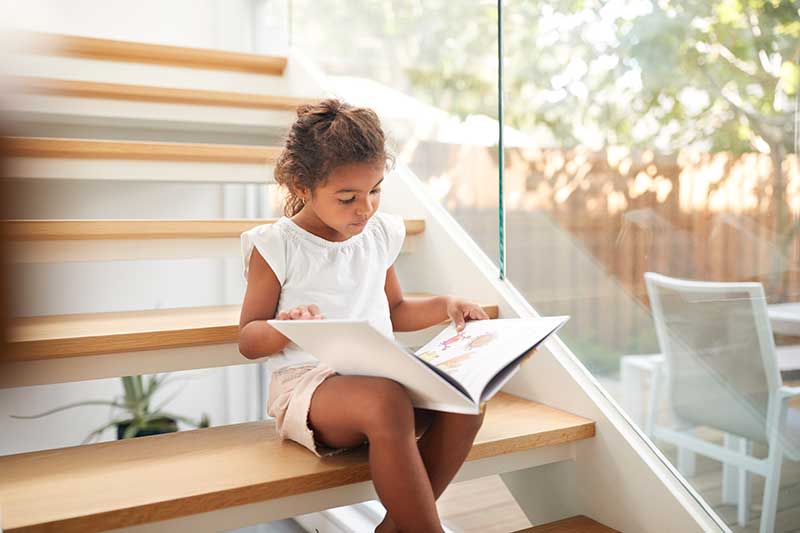
To ensure safety, never allow children to play on stairs and keep potential climbing objects away from the balustrades- this includes chairs and pot plants. Always be vigilant so kids don’t put themselves in danger!
Let your vision soar when considering an attractive and safe balustrade solution! But please be sure to find a trustworthy supplier, making sure the product meets essential safety requirements. With proper installation from certified professionals, you can create a stunning look with reliable security measures in place.